
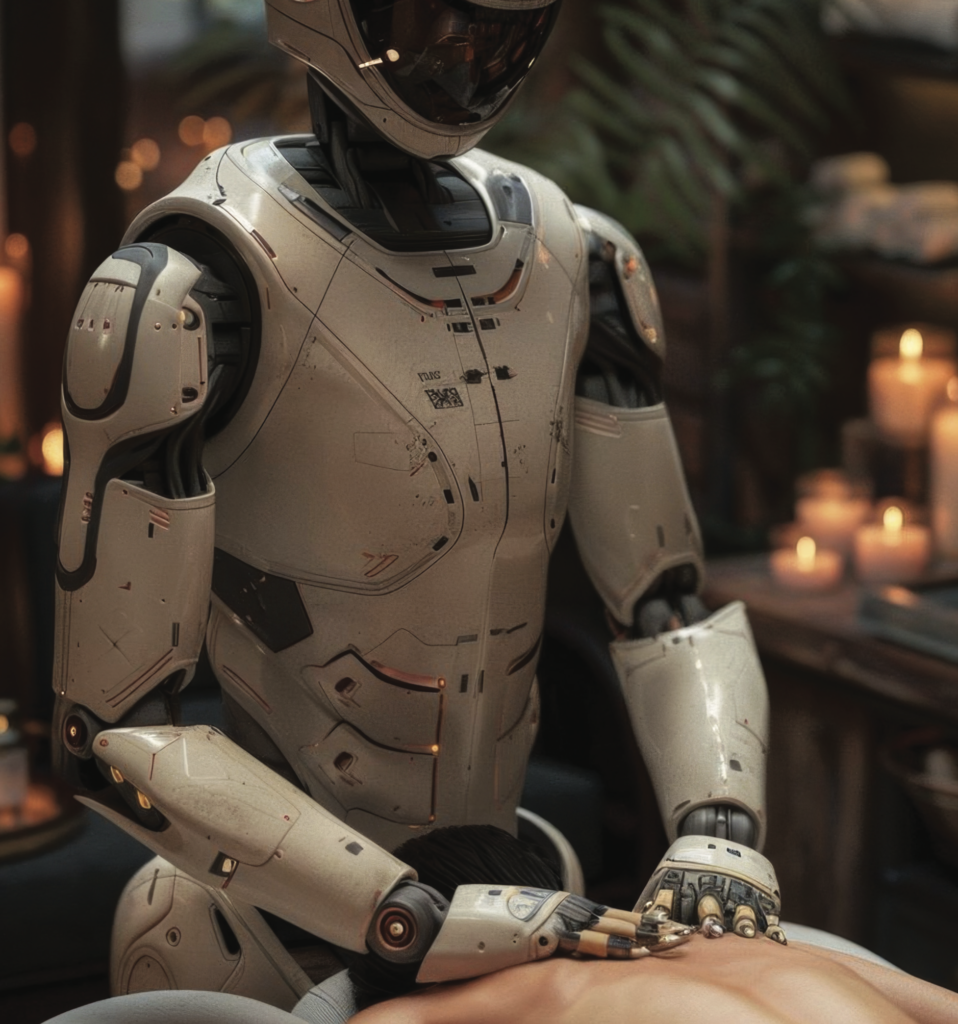
When robot massage treatments become more prolific, human-delivered spa therapies may become more meaningful.
In 2012, I published my book, The Psychology of Spas & Wellbeing, based on my capstone thesis for my studies in Applied Positive Psychology at University of Pennsylvania. The basic premise of the book was that even though spas mostly seem to market themselves on the physical aspects of the experience (the facilities, the products, and the treatments), the biggest benefits of a visit to the spa come from the more intangible psychological aspects (being in an environment conducive to relaxation, separation from technology, and experiencing nurturing touch from a caring healer).
If you had asked me at that time, if massage therapists could ever be replaced by robots, I would have said absolutely not. Human touch is essential for wellbeing, especially when the touch is delivered intentionally by a caring and trained practitioner. Of course, we see AI taking over other industries such as transportation, law, design, or even medicine. But surely a purely human interaction, such as a spa treatment, could never be replaced by technology.
In my book, to further this point, I even shared a research study that looked at the perceived benefits of mechanical massage chairs. The study looked at the impact on wellbeing and the perceived enjoyment from two groups that used one of those fancy deluxe massage chairs. In one group, the participants just sat in the chair and the massage started automatically. In another group, an attendant came out and started the massage for the client. It turns out, the participants who had the massage that was administrated by a human being reported enjoying the treatment more and they felt better afterward. The study supports a recurring theme in Positive Psychology, summed up beautifully by Chris Peterson, one of the field’s founders: “other people matter.”

The robot massage therapist of the future won’t look (or feel) like a robot.

I think most spa professionals and even spa aficionado consumers would agree that a big part of the benefit of the spa experience is the caring attention of another human being. Having a human therapist who can sense your areas of tension, tailor the treatment to your needs, and help you relax with a caring bedside manner are a big part of what makes a spa experience special. But a decade after publishing my book, while on a trip to New York City, I had an experience that would force me to question all my beliefs around the role of technology in spas. I was invited to experience a new prototype massage table by a company called Aescape. The massage was performed by robot arms that moved with precision over the body delivering the massage according to my exact pressure preferences.
Much to my reluctance and disbelief, I had to admit that the massage was actually pretty good. And it was even better a couple of years later when the table was officially launched in 2023 at the International Spa Association annual conference. Not only was the massage good, but I began to realize there are some other benefits to the robot massage.
While the service might not be of interest to current spa aficionados who love to put themselves into the hands of their favorite therapist, it could open a whole new market of potential spa customers who maybe never felt comfortable going to a spa and having their nude body touched by a complete stranger. For many people, they may prefer an option that eliminates the social awkwardness of a more human spa experience.
It is hard to operate spas profitably, due to the cost of highly trained therapists who spend a significant amount of time with each client in a very personal and lengthy interaction. At the time of launch, the Aescape table cost about the same as an experienced and well-paid therapist. But the costs will go down, and the table will never be late, never call in sick, and never forget its training protocols. Let’s face it, being inhuman does have some advantages.
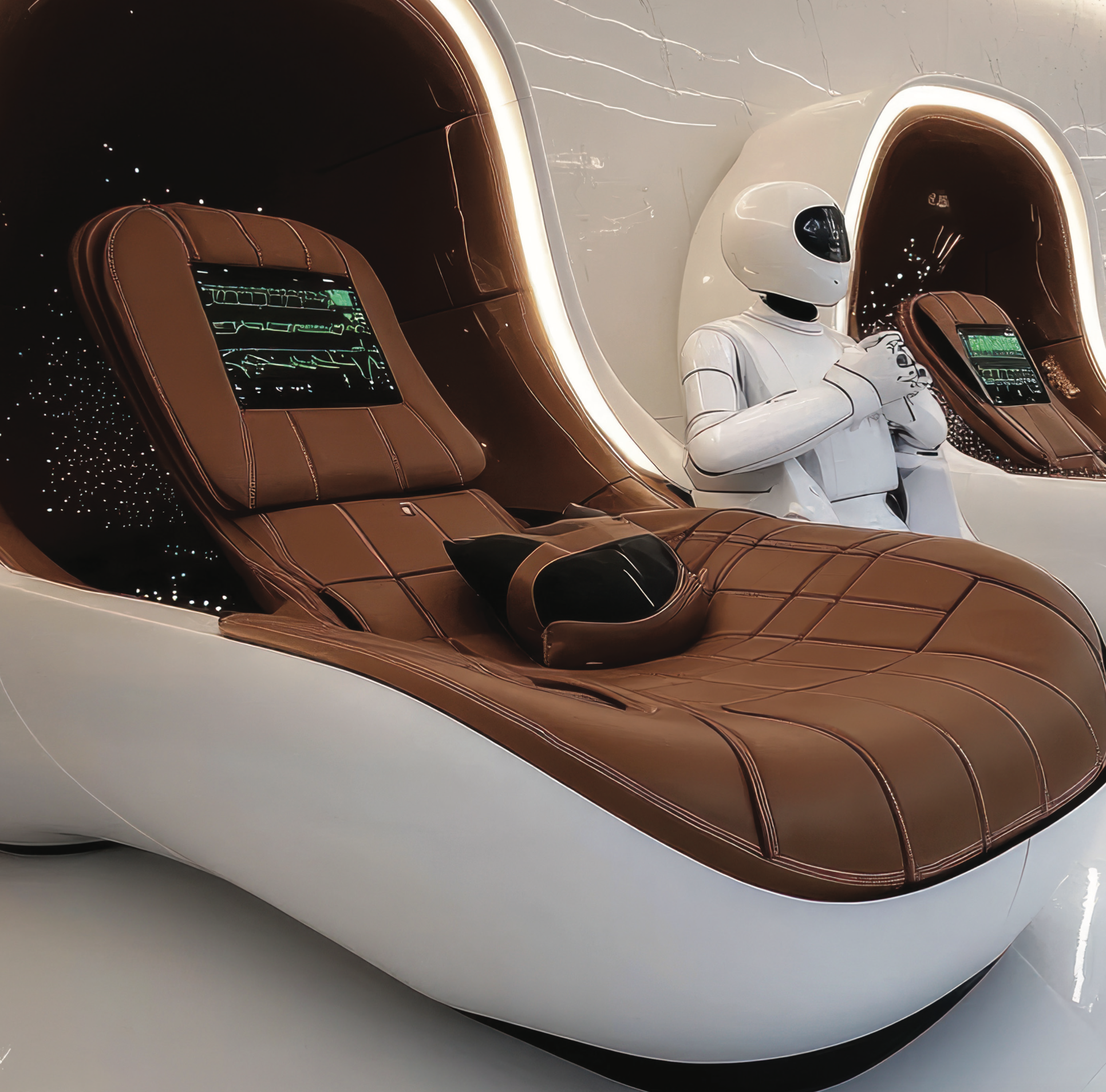
Robots are learning and evolving at an exponential rate. Even if robot treatments are sub-par today, in a few years they might be incredible.

If the massage is already this good when delivered by a big clunky contraption that looks like something you would find on an industrial assembly line, imagine how much better it will be when it is delivered by an attractive and communicative humanoid robot, powered by AI to deliver not only an exceptional physical massage, but a soothing and therapeutic emotional interaction. We can see robots becoming increasingly humanoid in appearance, and powered by AI, increasingly adept at communicating with humans in a very natural way. The robot massage therapist of the future won’t look (or feel) like a robot.
I now have to accept that even in the world of spas, we are not immune to an AI takeover. In fact, for many spa operators, they may have no choice as the demand for spa services continues to grow despite a downward trend in new workers entering the industry. It is harder and harder to ask young people to do a job where they are unable to use their phone during the day. When it becomes hard to find humans to do the job, it opens the door for robots to take over. This is not to say that humans will be replaced entirely. On the contrary, as robots become more prolific, the demand for authentic human experiences will go up. There will be restaurants, fitness centers, and spas that are entirely run by robots. But consumers will still desire and pay a premium for chef-prepared meals, encouraging personal trainers, and nurturing, human spa therapists.
So human massage will always be in demand, but I can no longer say that human massage will always be “better.” Robots are learning and evolving at an exponential rate. Even if robot treatments are sub-par today, in a few years they might be incredible. But when robot treatments become more prolific, human-delivered spa therapies will become more meaningful, and special, and beneficial. Human touch is a timeless element of human wellbeing, and it is increasingly scarce. We will need places to go to put ourselves in the hands of a healer, to be away from technology for a while, and to have an authentic connection with another human being.
But if the idea of exposing your body to a stranger on a massage table is horrifying, or you recoil at the idea of someone putting their hands all over your body, then a new spa experience is coming soon to a spa near you, and it might just be right up your alley.
The post Rise of Spa Bots: Can Robots Replace Human Touch? appeared first on Organic Spa Magazine.