
Chronic inflammation may be sneaky, but the good news is—you have serious power over it with your daily habits. These four simple, science-backed steps can help calm the fire, boost your energy, ease aches, and support long-term health from head to toe. Let’s jump in!

Nutrition and healthy lifestyle contributor for NBC’s TODAY show, Joy Bauer
Step 1: Load Up On Colorful Fruits And Veggies
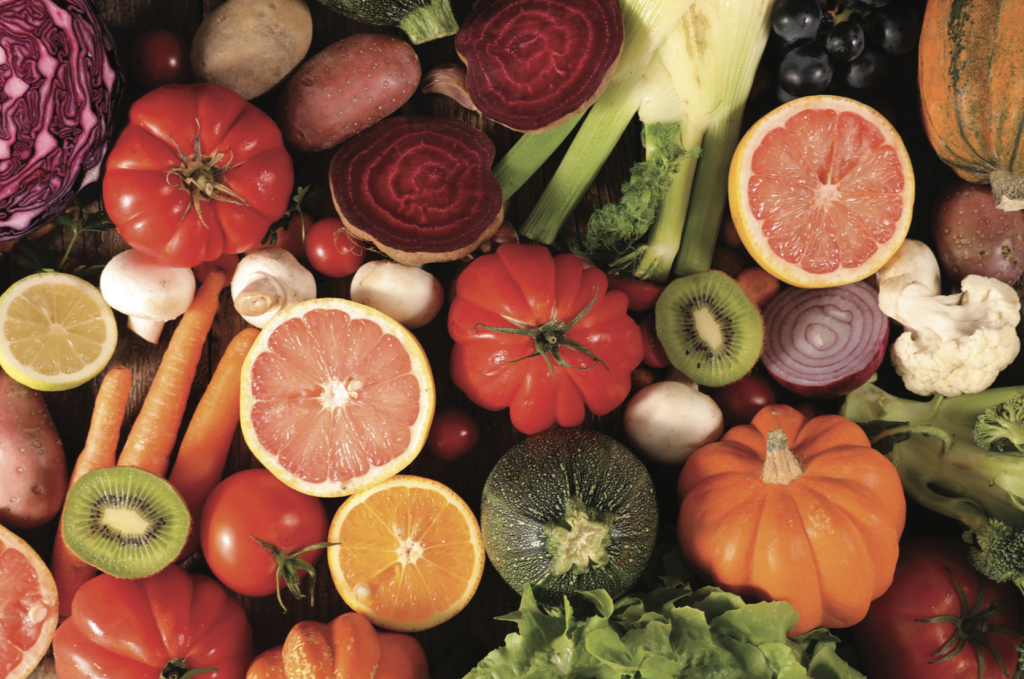
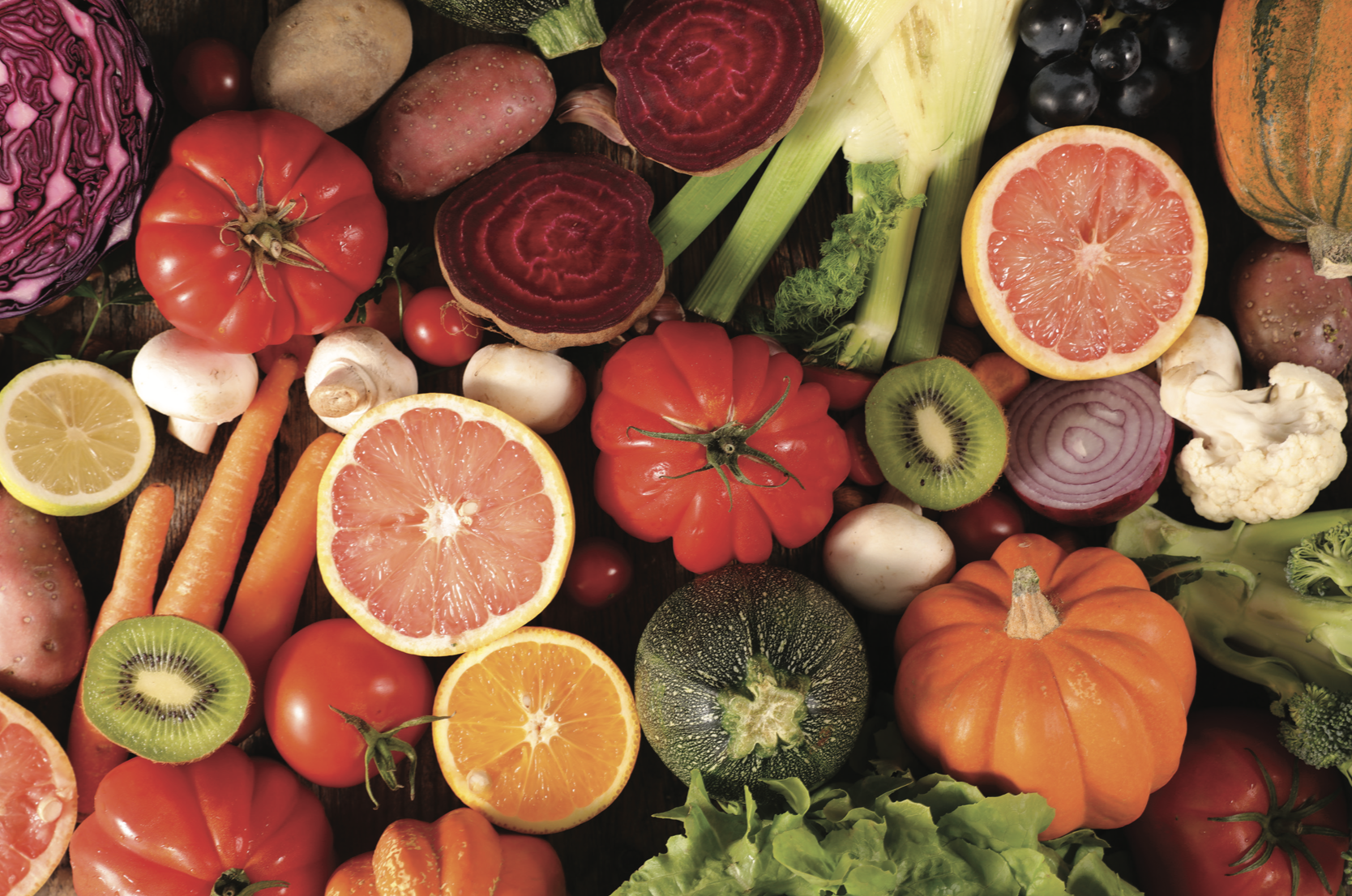
Why it works: Bright, colorful fruits and veggies are packed with antioxidants and plant-based compounds that act like natural fire extinguishers. They help neutralize harmful free radicals, reduce oxidative stress, and feed your gut’s good bacteria, all of which help lower inflammation. Plus, they’re high in fiber to fill you up without filling you out!
Science spotlight: Studies show that people who eat a wide variety of colorful produce—especially red, purple, green, and orange—tend to have lower levels of C-reactive protein (CRP), a key marker of inflammation in the body.
Make it happen:
• Go for at least 5 cups a day (more if you can). Add spinach to smoothies, berries to breakfast, and roasted veggies to dinner.
• My absolute favorite colors for your plate:
» Red – cherries, raspberries, strawberries, tomatoes, beets, apples
» Green – kale, spinach, broccoli, Brussels sprouts, Swiss chard, asparagus
» Orange/Yellow – carrots, sweet potatoes, winter squash, bell peppers, mango
» Blue/Purple – blueberries, blackberries, eggplant, purple cabbage, purple grapes, plums.
Simple swap: Instead of a side of fries, try a colorful salad or a veggie-filled soup. Instead of a sugary dessert, enjoy a fruit salad with optional whipped cream. Your body (and tastebuds) will thank you.
Step 2: Swap In Healthy Fats
Why it works: Not all fats are created equal. While unhealthy fats (like trans fats and excess saturated fat) can stoke the flames of inflammation, heart-smart fats play a role in fanning them out. In particular, omega-3 fatty acids (found in fatty fish, walnuts, chia seeds, and flax) and monounsaturated fats (like olive oil and avocado) help reduce inflammatory compounds in the body.
Science spotlight: Omega-3s help decrease levels of inflammatory molecules like TNF-alpha and IL-6. That’s why they’re linked to lower risks of heart disease, joint pain, and even cognitive decline.
Make it happen:
• Eat fatty fish like salmon or sardines twice a week.
• Use extra virgin olive oil for marinades and salad dressings.
• Add avocados, nuts, and seeds to your meals and snacks.
• Limit ultra-processed baked goods and fried fast food.
Simple swap: Use mashed avocado or hummus as a sandwich spread and sub olive oil for butter when whipping up scrambled eggs. Easy and delish!
Instead of reaching for sugary sauces or marinades, season your go-to protein with a combo of garlic, turmeric, and chili your go-to protein with a combo of garlic, turmeric, and chili flakes along with a drizzle of olive oil and squeeze of lemon.
Step 3: Spice Is Nice
Why it works: Spices don’t just add flavor—they bring the fire-fighting power! Many common herbs and spices are loaded with anti-inflammatory compounds. Turmeric, for example, contains curcumin, which works similarly to some anti-inflammatory medications (without the side effects). And, don’t forget ginger. The powerhouse spice contains proven anti-inflammatory and antioxidant benefits that can help ease joint pain and calm digestion. Try adding ginger to smoothies, stir-fries, or soups for a tasty, soothing boost.
Science spotlight: Adding a pinch of black pepper boosts your body’s absorption of curcumin by up to 2,000% (yes, really!).
Make it happen:
• Add turmeric to roasted veggies, soups, smoothies, and try my Cherry Ginger Turmeric Tea (recipe follows).
• Stir fresh ginger into batters, dressings, or stir-fries.
• Use garlic liberally in cooking—it’s loaded with immune-boosting allicin, which has been shown to reduce CRP (aka inflammation markers in the blood) and improve joint pain.
• Sprinkle cinnamon onto oatmeal, yogurt, or coffee for a sweet anti-inflammatory twist.
• Certain spices—like cinnamon, ginger, and turmeric—not only help keep your blood sugar steady but also calm inflammation by boosting insulin sensitivity and fighting oxidative stress.
Simple swap: Instead of reaching for sugary sauces or marinades, season your go-to protein with a combo of garlic, turmeric, and chili flakes along with a drizzle of olive oil and squeeze of lemon. Delicious and packed with tons of benefits!
Step 4: Create A Zen Routine
Why it works: Chronic stress is like gasoline on a metabolic fire. It raises cortisol, weakens immunity, and increases inflammatory markers like CRP and IL-6. The same goes for sleep deprivation—when you skimp on rest, inflammation tends to skyrocket.
Science spotlight: A solid wind-down routine, daily movement, and even joyful moments (like laughter!) can help reset your nervous system and keep inflammation in check.
Make it happen:
• Prioritize 7 to 9 hours of quality sleep every night.
• Create a calming nighttime routine: sip herbal tea, turn off screens, dim the lights, and try deep breathing or light stretching.
• Build in small “me moments” during the day like walking outside, listening to music, journaling, or chatting with a friend.
• Try 5 to 10 minutes of meditation or mindfulness first thing in the morning or before bed. Bonus points for more than once a day!
Simple swap: Instead of scrolling in bed, keep a gratitude journal on your nightstand. Write down three good things from the day, no matter how small. It’s soothing and proven to improve sleep quality.
A solid wind-down routine, daily movement, and even joyful moments (like laughter!) can help reset your nervous system and keep inflammation in check.
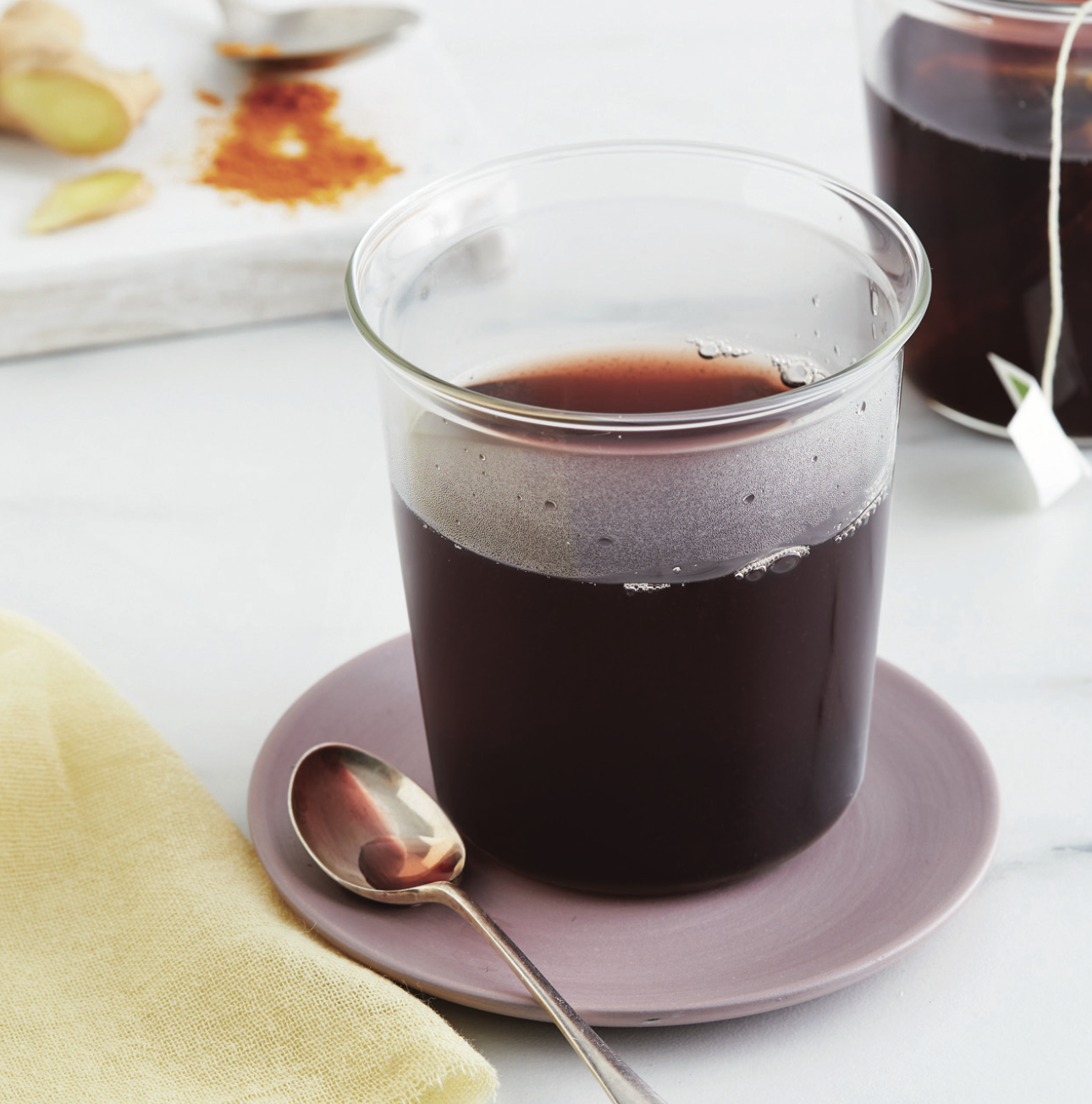
Ginger Turmeric Cherry Tea
This steeped-to-perfection combination is warming, calming, and oh-so-soothing. Enjoy it as needed to suppress inflammation, or as a daily Rx for ongoing benefits.
Servings: 1 serving
Prep Time: 5 minutes
Cook Time: 10 minutes
Total Time: 15 minutes
Ingredients
• 1 tea bag, black or green (regular or decaf)
• ¼ teaspoon ground turmeric
• ¼ teaspoon ground ginger
• Pinch ground black pepper
• 2 ounces tart cherry juice
Instructions
1. Bring ¾ cup of water (about 6 ounces) to a boil. Place the tea bag, turmeric, ginger, and pepper in a mug, add boiling water, stir, and cover. Let steep for 3 to 5 minutes.
2. While the tea is steeping, heat the cherry juice, either on the stove top or in the microwave. Add the heated juice to the mug of tea and mix. Remove tea bag and start sipping. For a sweeter sip, add a dash of honey.

Wild Salmon and Chickpea Salad
Everybody seems to have a favorite tuna salad recipe, but it is just as easy to create a fabulous salad using canned wild salmon, which has much more omega-3 fats and vitamin D.
Servings: 1 cup (makes 3 ½ cups)
Prep Time: 5 minutes
Cook Time: 5 minutes
Total Time: 10 minutes
Ingredients
• 6 ounces wild boneless skinless salmon (canned or fresh)
• 15 ounces garbanzo beans, rinsed and drained
• ½ cup chopped red onion
• ½ cup chopped red bell pepper
• 2 tablespoons extra-virgin olive oil
• 2 tablespoons red wine vinegar
Instructions
1. In a medium bowl, mash the salmon. Mix in the chickpeas, onion, and red pepper. Add the oil and vinegar and stir until everything is well coated and combined. Season with salt and freshly ground black pepper to taste. Add optional herbs and spices.
2. Serve immediately. You can refrigerate leftovers for up to two days.
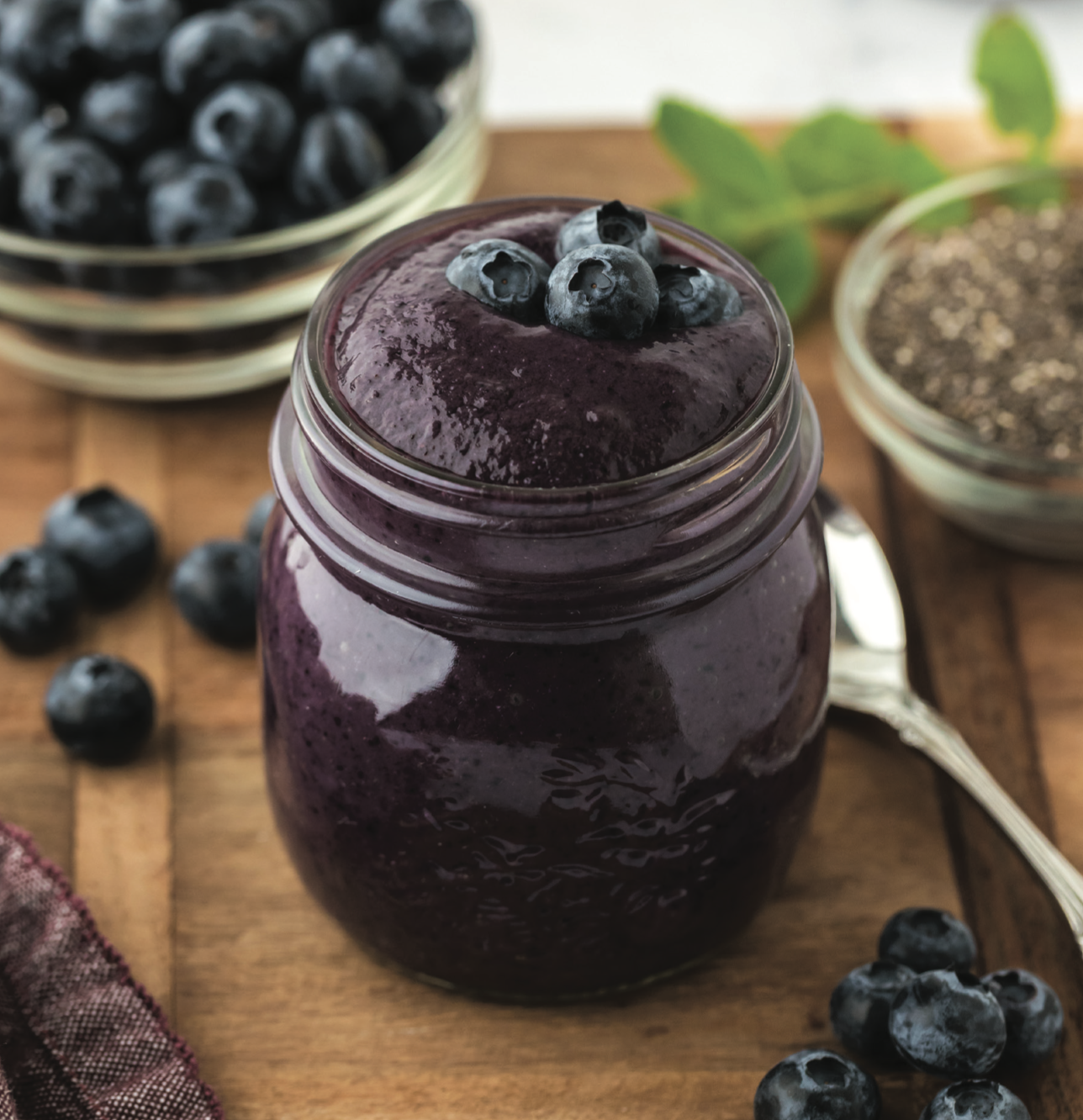
Blueberry Chia Pudding
This is an easy-to-make, dessert-like treat that boasts a smooth, pudding-like consistency, thanks to the magical thickening power of chia seeds.
Servings: 2 servings
Prep Time: 5 minutes
Total Time: 2 hours
Ingredients
• 3 cups blueberries, fresh or frozen
• ¾ cup almond milk (or milk of choice)
• 3 tablespoons chia seeds
• ½ tablespoon honey or maple syrup
• ½ teaspoon vanilla
Instructions
1. In a large blender, add all the ingredients and process until smooth. Transfer to 2 mason jars or containers with lids. Place in fridge for at least 2 hours.

Photos: Nathan Congleton. The hosts of NBC’s Today show celebrate Joy’s birthday on set.
Joy Bauer, MS, RDN, CDN, is one of the nation’s leading health authorities. She’s the longtime nutrition and healthy lifestyle contributor for NBC’s TODAY show, a featured expert on NBC News Daily, and the #1 New York Times bestselling author of 14 bestselling books.
Joy is a monthly columnist for Woman’s World and Savory magazines and spent more than a decade as the official nutritionist for the New York City Ballet. Her website, JoyBauer.com, is a go-to destination for thousands of deliciously healthy recipes and practical strategies for making nutritious living easy and accessible.
Earlier in her career, Joy served as Director of Nutrition and Fitness for the Department of Pediatric Cardiology at Mount Sinai Medical Center and as a clinical dietitian for the hospital’s neurosurgical team. One of her most meaningful accomplishments was creating “Heart Smart Kids,” a health program for underserved children in Harlem. She also taught Anatomy & Physiology and Sports Nutrition at NYU while building what became the largest private nutrition center in the country.
The post Joy’s 4-Step Plan to Tame Inflammation appeared first on Organic Spa Magazine.